Updated: November 22, 2026 | Author: Manas Panda
Guochao & Gen Z in China 2026
Cultural identity consumption drives >RMB 3 trillion market by 2028. How foreign brands adapt.

Gen Z in China only buys Chinese brands and foreign brands are finished.
Gen Z (260M+ people, ~40% of China's consumption) prefers domestic brands when quality and transparency are equal — and judges foreign brands on exactly the same evidence. Loyalty used to be automatic. Now it's earned.
What guochao actually is
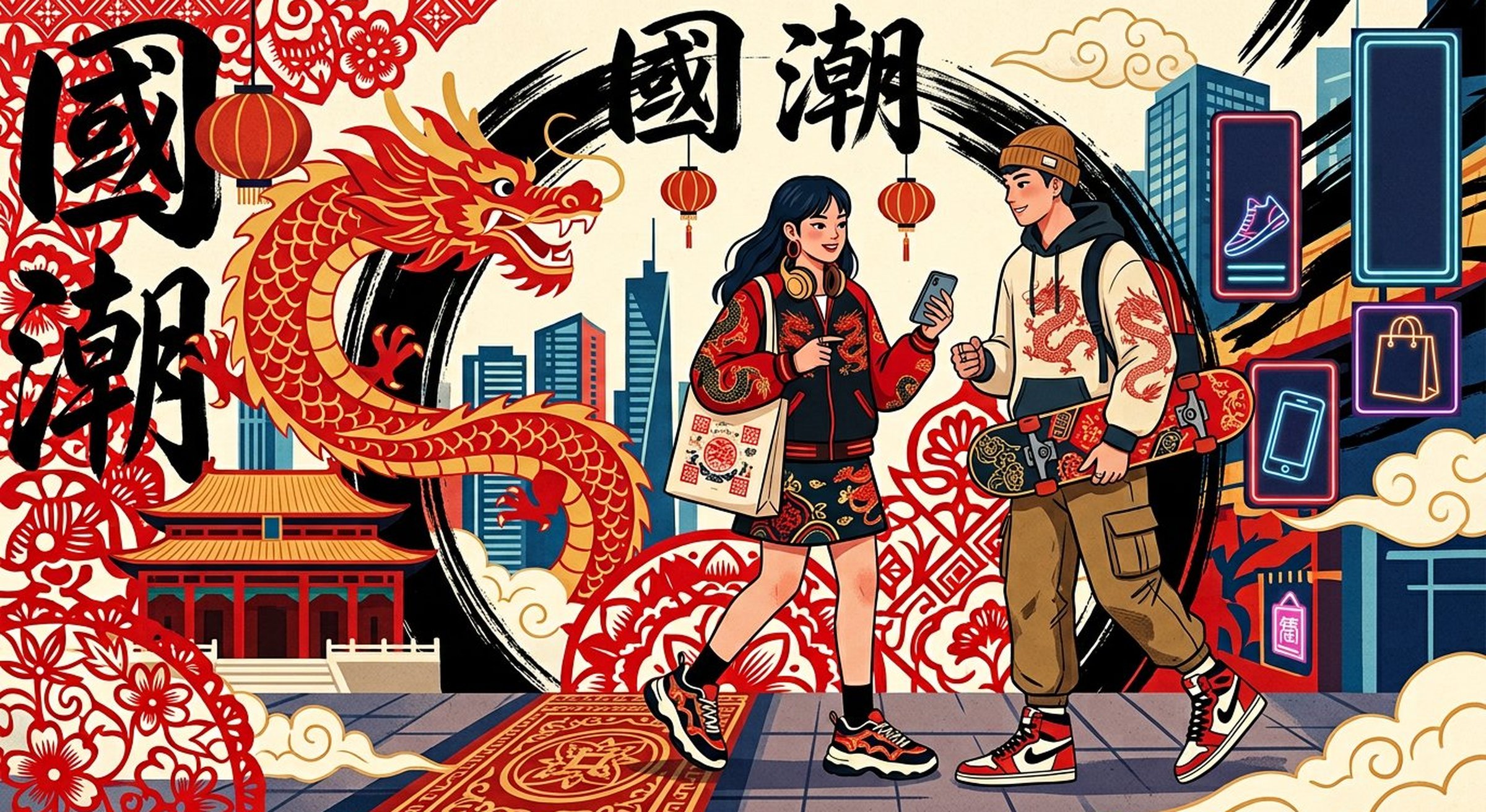
Guochao (国潮, "national trend") means domestically created designs inspired by traditional Chinese culture — applied to toys, apparel, food, coffee, everything. Domestic retail of collectible toys hit ¥67.69 billion in 2025, up 45.4%. iiMedia projects the broader guochao market will exceed ¥3 trillion by 2028. In coffee, Gen Z chooses Chinese-style flavours — lotus seed milk lattes, goji berry cappuccinos — over Western names. In fashion, guochao apparel shifted from trend-chasing to cultural identity at 2026 China International Fashion Week.
| Why Gen Z chooses domestic (2025 survey, n=3,000) | Share |
|---|---|
| Improved quality perception | 71% |
| Cultural pride and identity | 58% |
| Better price-value | 53% |
| Faster innovation cycles | 42% |
What foreign brands should do (not imitate — be guochao-aware)
Answer questions before they're asked: where does the material come from, how was it tested, why does it cost what it costs. Localise taste and language. Partner with Chinese creators and IP. Respect cultural heritage instead of slapping a dragon on packaging. The foreign premium has already shrunk from 40–60% (2019) to 20–30% (2026) — you earn the rest with proof, not prestige.
Frequently asked questions
What is guochao?
Guochao (国潮) means national trend — young Chinese consumers preferring domestic brands with Chinese cultural identity, design and ownership.
Do Chinese Gen Z reject foreign brands?
No. They judge foreign brands by the same bar as domestic ones: transparency, quality proof and cultural relevance. About 72% want ingredient and material information made public.