Nobody Saves for a House. They Save for a Life Inside It.
A global home-buying guide to the questions behind a property purchase: comfort, long-term costs, accessibility and due diligence.
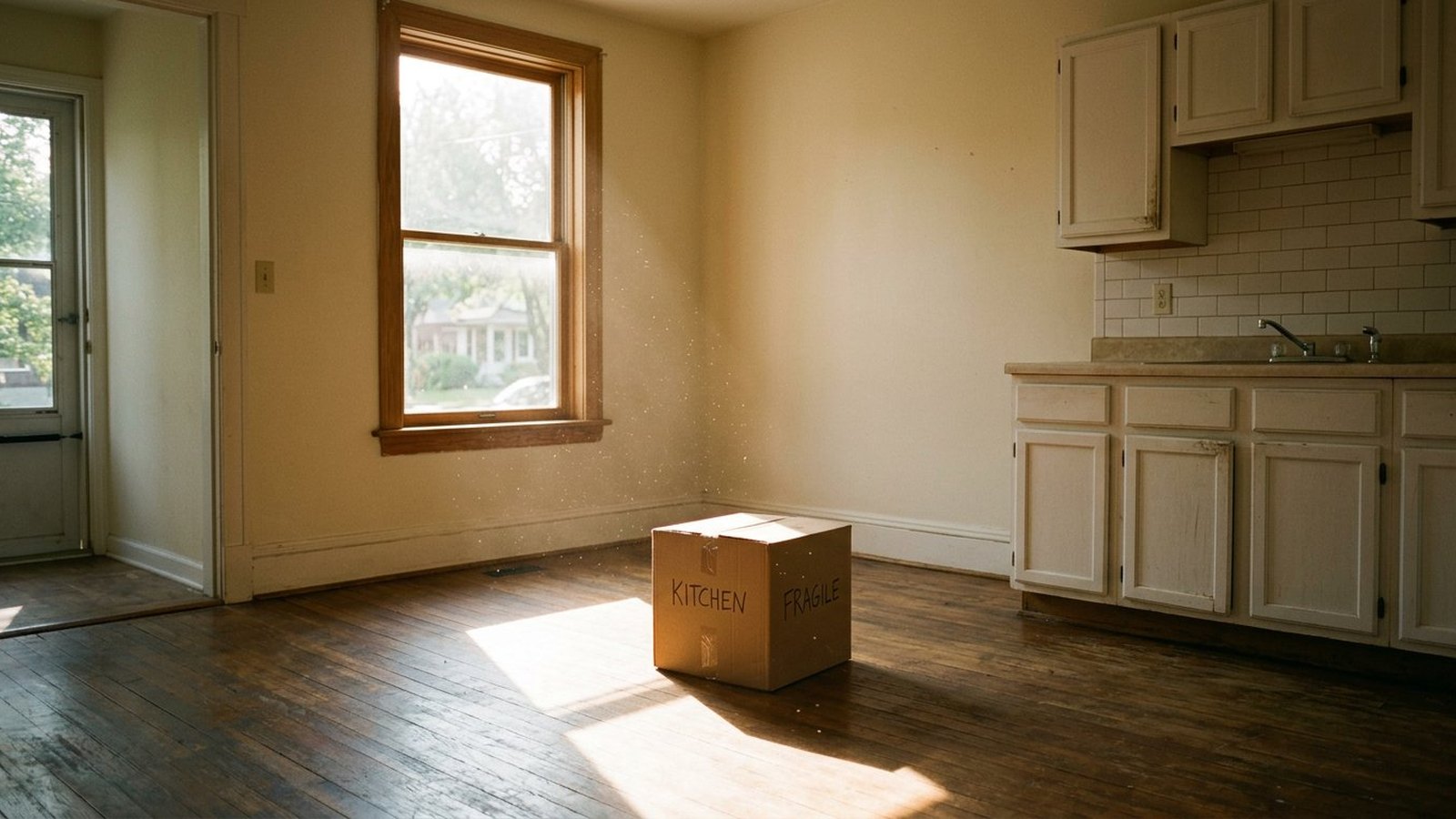
A listing can tell you how many bedrooms a house has. It cannot tell you whether your mother will manage the stairs.
It can show you a kitchen in beautiful light. It usually cannot tell you what the street sounds like on a Tuesday night, or whether the lift has spent the last six months in a complicated relationship with the repair company.
And yet somebody may be about to put years of savings into that decision.
Not everyone buys a home in the same way. Some people save for decades. Some inherit. Some borrow. Some sell one place to buy another. But almost everyone brings something to the viewing that does not appear on the floor plan: a picture of what life might feel like there.
For one person it is children coming home from school. For someone else it is a quiet room after a difficult year. For a couple moving countries, it may be the first place that starts to feel familiar.
The property industry sells square feet. People are also shopping for ordinary mornings.
What should you ask before buying a house?
Start with the things that would make you walk away, not the things that look beautiful in the photographs.
How much will the property cost to own after the purchase? What repairs are expected? Who manages the building, and what are the recurring charges? Is there flood risk? How accessible will it be if your needs change?
Ask for the documents, not just a reassuring answer. Depending on the property and country, that may mean title or lease documents, inspection reports, insurance information, service-charge records and details of planned work. Ask a qualified local professional which records apply before you commit.
Then visit at a different hour. A street at noon on a sunny Sunday can be a very persuasive salesperson. Try a weekday evening too.
The same dream, different questions
A home buyer in London and a home buyer in Dubai might both want a safe, comfortable place to live. The documents they need to examine will not be identical.
London and England: if the property is leasehold, ask how many years remain, what the service charge covers and whether major works are expected. The UK government’s guide to buying or owning a leasehold home explains the questions to investigate. Your solicitor can advise on the particular lease.
Dubai: ask for the current service charges and what they cover. The Dubai Land Department’s Mollak service-charge index is one place to start. Check the property and current records with the relevant professionals before relying on a figure in a brochure.
Miami and the United States: ask about flood risk and the cost and availability of insurance. FEMA’s Flood Map Service Center lets users look up an address. A map is one input, not a promise that a property will never flood.
Singapore: ask what type of property and tenure you are buying, how much lease remains and what that means for your circumstances. The answer depends on the property; check the relevant authority’s guidance and take local advice.
Tokyo: ask about the building’s construction, maintenance records and the documents relevant to seismic standards. An attractive photograph cannot tell you whether the questions have been answered.
Sydney, Toronto and elsewhere: ask about building management, maintenance funds, insurance, local restrictions and the costs that continue after the keys are handed over. The names of the documents change. The need to read them does not.
These are questions to investigate, not verdicts on a city or a particular property. Markets change, and every building has its own history.
What about the home you may need later?
When you are looking at a place today, it is easy to imagine everyone exactly as they are today.
But a parent may need fewer stairs. A child may need a quieter room. A knee may develop opinions about a fourth-floor apartment. The nearest hospital may become more important than the nearest café.
Nobody has to predict the rest of their life before making an offer. It is enough to ask whether the home has room for it to change.
Can someone enter without a difficult climb? Is the bathroom usable if mobility becomes limited? If there is a lift, who maintains it? Is there transport nearby for someone who no longer drives?
These details rarely make the headline of a listing. They can make the difference between loving a place and having to leave it sooner than planned.
What should a real estate agent tell a buyer?
A good agent cannot know everything about a property. Nobody can. But the buyer should know what is confirmed, what is not, and where to find the documents.
If a question needs an inspection, say so. If the service charge is an estimate, say that too. If the buyer asks about a building issue and the answer is not known, “I don’t know yet, but I’ll find out” is a respectable sentence.
It is a much better sentence than a confident answer that disappears when the sale is complete.
There are agents and developers who do this well. The opportunity for the industry is to make that clarity easier to see before the first call, not keep the useful details for the person who happens to ask the right question.
What should property websites explain better?
A property page should help someone take the next sensible step. That means clear details, a way to contact a real person, a date on information that changes, and an honest distinction between what is known and what still needs checking.
It also means describing the property in text, not leaving every important answer inside an image or a brochure that is hard to search. Search engines and AI assistants may use many sources and can still make mistakes. A clear page helps people check the facts; it does not guarantee a ranking or an AI citation.
For a property business looking at its own search visibility, our Dubai real estate SEO page explains the kind of work involved. The free AI search readiness audit offers a first-pass technical check, not a property valuation or legal review.
The question behind the search
“What should I check before buying a house?” sounds like a practical query.
Sometimes it is also a person asking: Am I about to make a mistake I cannot afford?
That deserves a better answer than a list of features and a button that says “Enquire now.”
Tell the buyer what you know. Give them enough information to ask about what you do not. Leave room for the unglamorous questions about water, maintenance and getting to the hospital.
People remember the view. They have to live with the stairs.
This article is general information, not legal, financial, insurance or property advice. Rules and documents vary by location. Verify property-specific details with qualified local professionals and the relevant authorities.